Hand Therapy in San Antonio
You have been doing everything with the other hand and telling people you are fine. The jar, the buttons, the grocery bags, the steering wheel. Hand therapy is how this hand goes back to doing its share.
What Is Hand Therapy?
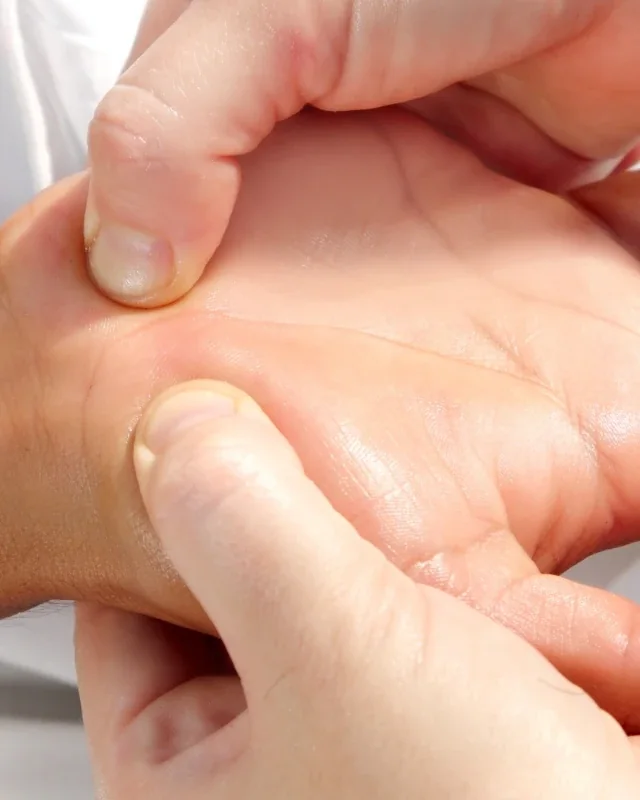
Hand therapy is specialized rehabilitation of the hand, wrist, elbow and shoulder, treated as the one chain it actually is. A finger cannot do useful work if the wrist has no stability or the shoulder cannot put it where you need it. The hand is also unforgiving in a way most of the body is not: it swells quickly, it stiffens quickly, and tendons that glide freely one week can bind down the next. Timing matters more here than almost anywhere else in rehabilitation. That is why the work combines several things at once. Graded therapeutic exercise for strength, dexterity and coordination. Hands-on techniques and scar management for pain, swelling and tissue glide. Custom splinting to protect a repair or hold a joint in a position that helps it heal. Modalities such as ultrasound or electrical stimulation where they support the plan. And education in ergonomics and self-management so the same problem does not build again.
At Liberty Rehabilitation Specialists this is occupational therapy work, and it is delivered by occupational therapists and a certified occupational therapy assistant, not by physical therapists. Amanda Varner, OTD, OTR, and Morgan Cook, OTR/L, are both working toward Hand Therapy Certification, Varner is enrolled in a hand fellowship and has completed an upper extremity dry needling course, and Amber Hargens, COTA, names hand therapy as her passion. Sessions run 30 to 60 minutes, one on one, with the same clinician each visit, and a typical course of care is 2 to 3 visits a week for 4 to 6 weeks, though a tendon repair or a complex fracture follows its own surgical protocol. We are in network with roughly 45 plans and about 24 workers compensation carriers, and we verify your benefits before your first visit.
Who It's For
If your hand, wrist or arm has stopped doing what you ask of it, whether that started with a surgeon, an accident or years of the same task, hand therapy in San Antonio is where that gets addressed.
After hand or upper extremity surgery
You came out of a tendon repair, a fracture fixation or a carpal tunnel release with a protocol you do not fully understand and a hand you are afraid to use. Your therapist reads that protocol with you and works inside it: protecting the repair, fabricating or adjusting a custom splint, managing swelling and scar, and starting motion at exactly the point the tissue can take it. The outcome is a hand that regains glide and strength on schedule instead of one that heals stiff.
Arthritis and hands that hurt to use
Jar lids, keys, buttons and the kettle have all become negotiations, and you have started asking someone else to do the ones that hurt most. We work on joint protection, on the specific grip and pinch patterns that spare the joints that are flaring, on the tools and handles worth changing, and on strengthening what can safely be strengthened. Nothing about this makes you less capable. The outcome is more of your own day done with your own hands.
Repetitive strain, tendonitis and nerve symptoms
Numbness that wakes you at night, tingling in the fingers, or a tendon at the wrist or elbow that flares every time you get through a busy week at work. These build slowly and rarely resolve on their own while the loading continues. We treat the irritated tissue, restore the glide of tendon and nerve, then change the posture, tool and technique that keep feeding it. The outcome is a full shift and a full night without your hand interrupting either.
What to Expect
The hand gets measured, treated and then used, every visit, with the same occupational therapist. Here is how that runs.
Measure the hand, then ask what it has to do
Your evaluation records the things that will tell us whether you are progressing: motion at each joint, grip and pinch strength, swelling, sensation, scar condition and how the tendons glide. Then the more important question, the occupational one. What does this hand have to do for your work, your home and the things you do for enjoyment? The plan is built backwards from that answer.
Hands-on work, splinting and controlled motion
A session pairs skilled hands-on treatment with the exercise that follows it. Soft tissue and scar work, swelling management and joint mobilization prepare the tissue, and a custom splint is fabricated or adjusted where a joint needs protecting or positioning. Then you move through the prescribed range, progressed only as fast as the healing tissue and the surgical protocol allow.
Real tasks, then the plan for between visits
Strength on a dynamometer is not the goal, using the hand is. So sessions finish with the actual activity: writing, fastening, gripping a tool, lifting a pan. You leave with a short home program, wear and care instructions for your splint, and the ergonomic changes worth making, and the next visit begins by remeasuring what we measured first.
If you have had surgery, bring your surgeon's post-operative protocol and any splint, cast or brace you were sent home in, as the protocol sets the pace for the first phase of therapy. Bring the tool, glove or instrument the hand has to work with if you can carry it. Wear or bring a short-sleeved shirt so the whole arm is accessible. If the injury happened at work, tell us when you book, as we are in network with about 24 workers compensation carriers.
I am very pleased with the results of my rehabilitation at Liberty, I walked in barely able to hold my camera equipment without pain, and now I am without the pain.
Where to go next.
Manual Therapy
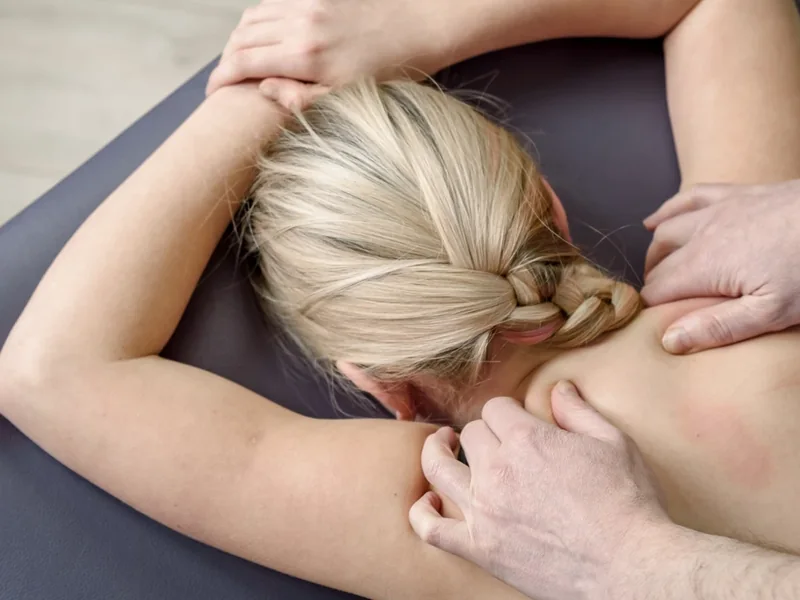
Skilled hands-on techniques to release restrictions and restore movement where you need it most.
Sports Rehab
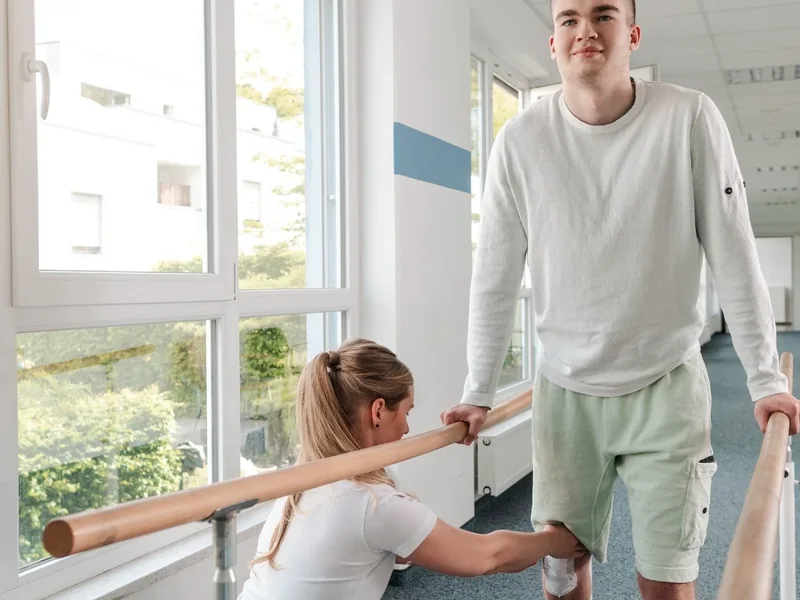
Return-to-play programs built around your sport, your position, and your timeline.

Back Pain & Sciatica
The most common reason people find us. We treat the cause of the pain, not just the symptom.