Knee Replacement Surgery in San Antonio
The new knee is in, and it is stiff, swollen, and unwilling to straighten. You are watching the clock between exercises and quietly wondering whether this is the bend you keep.
What happens after knee replacement surgery?
A knee replacement solves the pain coming from the joint surface. It does not hand back the motion, the quadriceps, or the confidence you lost while you waited for it. The months after surgery are where the outcome is actually decided, and two things decide most of it: how far the knee bends, and how hard the thigh works.
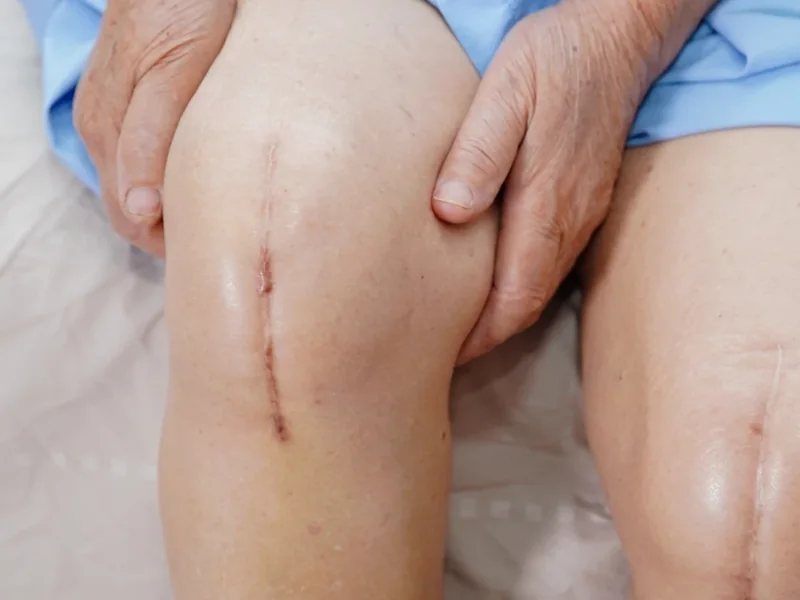
Scar tissue starts forming in and around the joint almost immediately, and it is at its most cooperative early. If the knee is not taken through its available range often, that tissue tightens and the motion you have at the end of the first stretch of rehab tends to be close to the motion you keep. It is why therapy starts early and why the bending and straightening drills feel relentless. They are buying back range while it is still cheap.
Swelling and surgical trauma inhibit the quadriceps, which means the muscle does not fire properly even when you tell it to. The knee then buckles on stairs, feels untrustworthy on a slope, and hurts more because nothing is absorbing load. Waking the quad up is the first strength priority in your program. Until it works, everything else you do on that leg is a compensation built on top of the problem.
Full extension matters more than most people expect. A knee that will not straighten completely forces the quadriceps to work every second you stand, changes how your foot meets the ground, and quietly overloads the other hip and back. It is also the range most easily lost, because propping a pillow under the knee feels wonderful and costs you extension by the week. We chase straightening from the first visit.
Persistent swelling is not simply uncomfortable. Fluid inside the joint physically blocks bend, dampens the quadriceps, and keeps pain elevated, which makes you move less, which keeps the swelling. Breaking that loop takes graded activity, positioning, compression, hands-on work, and a therapist reading the knee session to session rather than following a fixed protocol. Some weeks the right call is to push. Some weeks it is to back off and let it settle.
For months before surgery you avoided loading the bad knee, and the good leg absorbed the difference. That habit does not disappear with the joint. A stiff, short-stepped gait persists, the opposite hip and knee stay overworked, and stairs get taken one at a time with a hand on the rail. Retraining step length, knee bend through swing, and honest weight through the surgical leg is what finally makes the new knee feel like a knee.
Plenty of people arrive long after their replacement, still stiff, still weak, still avoiding stairs, having been told the window closed. It did not. Motion is harder to win back late, but strength, balance, and walking mechanics respond at any stage. Texas direct access lets you start physical therapy for up to 30 days without a physician referral, and we verify your insurance benefits before your first visit so the cost is never a surprise.
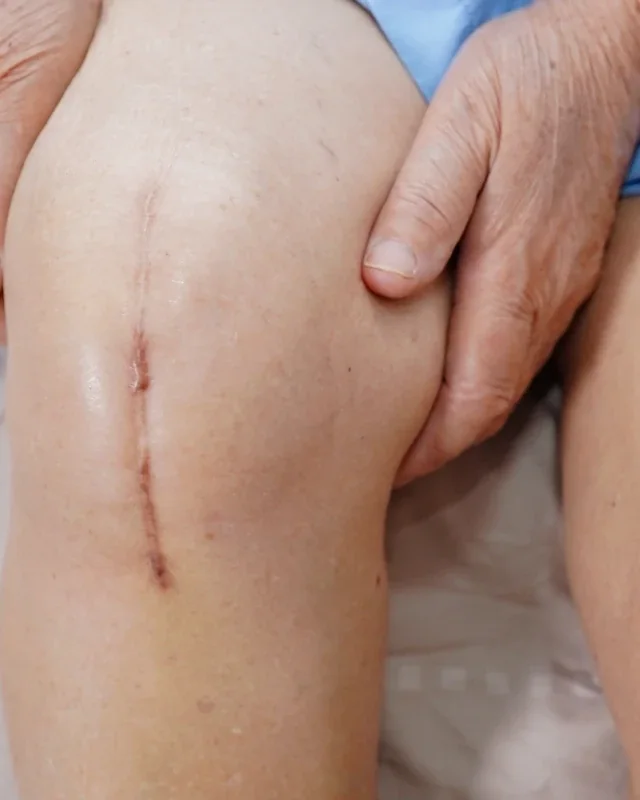
How physical therapy in San Antonio helps.
Rehabilitation after a knee replacement follows an order, and the order matters. First we take swelling and pain out of the driver's seat and defend the motion you still have. Then we wake the quadriceps up and load it, along with the hamstrings, calves, and hips that are supposed to share the work. Then we put that strength into real tasks: stairs without a rail, standing from a low chair, walking far enough that you stop planning your day around distance. Sessions run 30 to 60 minutes, one on one with the same licensed therapist each visit, and a typical course of care is two to three visits a week for four to six weeks.
What to expect from your recovery.
Evaluation and the numbers that matter
We measure how far the knee bends and how close it comes to straight, check the swelling, and test whether the quadriceps is genuinely firing. We watch you walk and take a step. You leave knowing your starting numbers, which of them are behind, and what we are chasing first instead of guessing.
Motion, swelling control, and quad recovery
Hands-on work and graded exercise restore bend and extension while we bring the swelling down. At the same time we retrain the quadriceps directly, then load it progressively alongside the hip and calf muscles that share the job. Your numbers get remeasured every week, so progress is demonstrated rather than assumed.
Strength, stairs, and getting your life back
The last phase moves the work off the table and onto your feet: stairs, curbs, uneven ground, standing from low seats, walking distance, and balance when you are tired. You finish with a home program built for your knee and clear instructions for holding on to the motion and strength you fought for.
Everyone is just absolutely wonderful. Facility is clean and the environment is awesome.
Pain rarely travels alone.
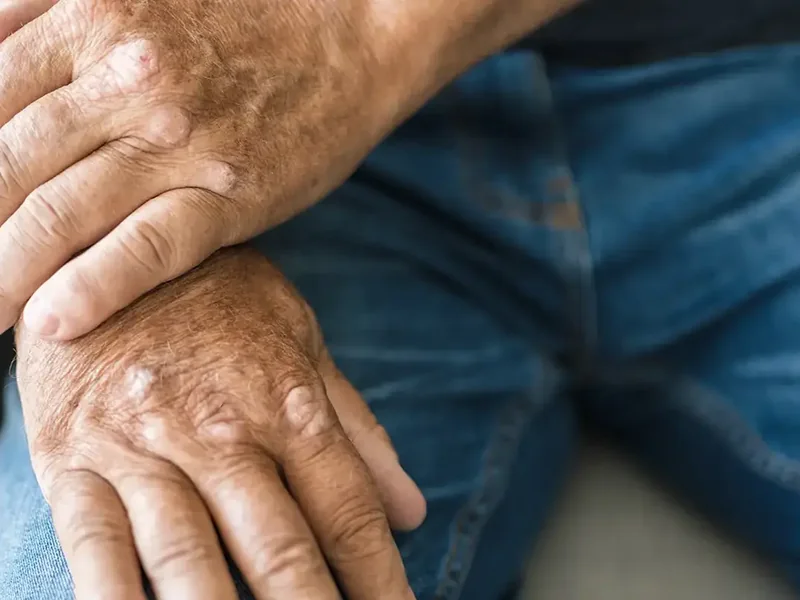
Arthritis
The joint wear that sent you to surgery rarely stops at one knee. We restore mechanics and build the strength around it.
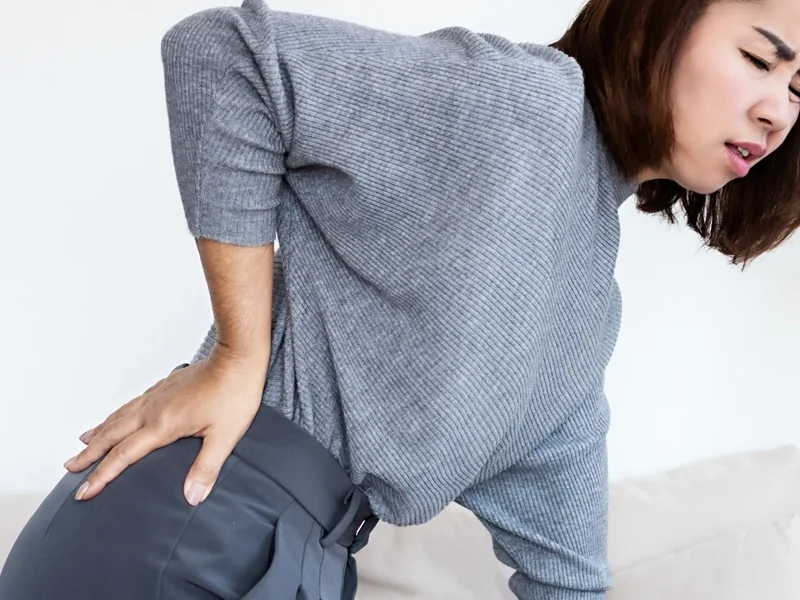
Hip Replacement Surgery
Before and after your hip replacement, so the new joint gets the strength it needs.
Sports Injuries
Return-to-play built around your sport, tested before you go back, not guessed.