Elbow, Wrist and Hand Pain in San Antonio
You have started opening jars with the other hand, and you think about your grip before you lift a pan, a toolbag or a steering wheel. That is not clumsiness or age catching up with you, it is a tendon, a joint or a nerve telling you it is carrying more load than it can handle.
What Causes Elbow, Wrist and Hand Pain?
Your hand and forearm move through thousands of small repetitions a day: keys, tools, keyboards, steering wheels, children. That volume is why this part of the body rarely fails all at once. It gives way quietly, in one tendon, one nerve tunnel or one small joint, while the rest of the arm compensates until it cannot. Liberty runs dedicated hand therapy for this reason. Amanda Varner, OTD, OTR and Morgan Cook, OTR/L are both working toward Hand Therapy Certification, and Amanda is enrolled in a hand fellowship.
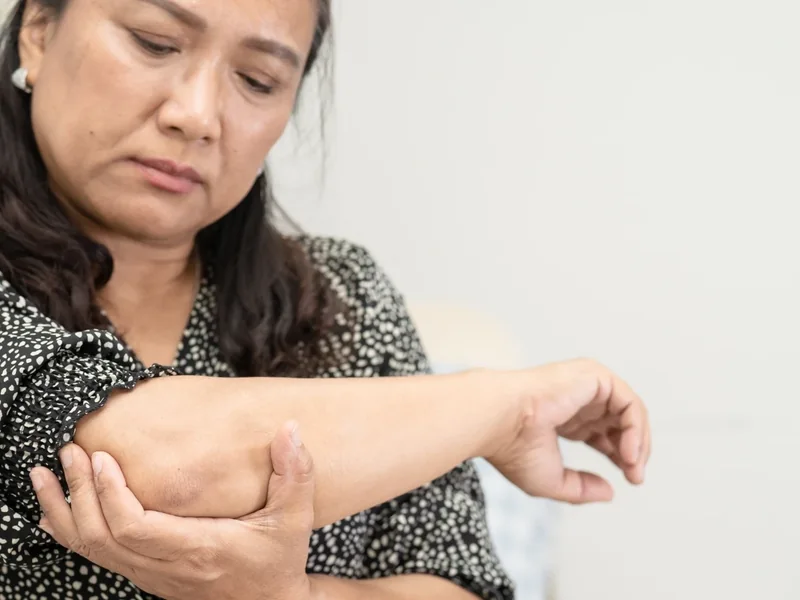
Lateral epicondylitis, the tendon pain on the outside of the elbow, comes from repeated gripping and wrist extension, not from tennis. Carpenters, hairdressers and nurses all get it. The tendon does not tear in a single moment. It degenerates under load it never got to recover from. Treatment is not rest on its own. It is graded loading that rebuilds the tendon's tolerance, plus changing the grip and wrist position that overloaded it.
Medial epicondylitis sits on the inside of the elbow, where the muscles that flex your wrist and fingers all anchor to one small bony point. Gripping hard, twisting a wrench, swinging a club or carrying heavy bags loads that anchor over and over. Most people notice it first as an ache when they shake hands or lift a gallon of milk palm up. Your therapist looks at forearm strength, wrist position and shoulder control, because a weak shoulder makes the forearm work harder than it should.
The median nerve runs through a narrow tunnel at the front of the wrist alongside the tendons that bend your fingers. Swelling, sustained wrist flexion or fluid changes crowd that space and the nerve starts to complain: numbness in the thumb and first fingers, symptoms that wake you at night, a hand that feels clumsy on buttons and keys. Therapy works on nerve gliding, wrist mobility, grip mechanics and the positions you hold for hours at work.
De Quervain's tenosynovitis irritates the tendons on the thumb side of the wrist, and it flares in new parents, phone-heavy workers and anyone who lifts with the thumb spread wide. Pain shows up when you lift a child, pour from a kettle or turn a key. Treatment addresses the tendon sheath itself, then forearm strength and the way you carry and lift. Hand therapy adds custom splinting so the tendon gets a real chance to settle.
Arthritic change at the base of the thumb, in the finger joints or across the wrist brings morning stiffness, swelling and a grip that fades as the day goes on. The instinct is to use the hand less, and that is exactly what turns a stiff joint into a weak one, because cartilage and the muscles around it both depend on movement to stay healthy. Therapy keeps the joints moving inside a range that does not flare them, builds the surrounding muscles, and adapts the tools you use daily.
A fall onto an outstretched hand, a crush injury or surgery leaves more behind than the original damage. Weeks in a cast or a splint cost you motion, tendon glide and strength, and scar tissue forms in whatever position the hand was held. This is where dedicated hand therapy matters most: measured range of motion work, scar and swelling management, tendon gliding and progressive strengthening in the right order. Starting early keeps a healed bone from leaving you with a stiff hand.
How physical therapy in San Antonio helps.
Your evaluation starts with the whole arm rather than the sore spot, because the neck, shoulder and forearm all decide how much load reaches your wrist and hand. From there your therapist calms the irritated tissue with manual therapy, restores glide in the tendons and nerves, then rebuilds grip and forearm strength in a progression the tissue can tolerate. We change what happens at your desk or your workbench so the load stops rebuilding between visits. Sessions run 30 to 60 minutes, one on one, with the same therapist each time. In Texas you can start without a physician referral for up to 30 days of treatment, and we verify your benefits before your first visit.
What to expect from your recovery.
Evaluation and calming it down
Your therapist measures grip and pinch, tests wrist and elbow motion, checks for nerve signs and looks at the strength of the shoulder feeding the arm. Then we take pain out of the driver's seat with hands-on work, splinting where it helps, and a short list of changes to the tasks that flare you. You leave knowing which structure is involved.
Restoring motion and rebuilding strength
Once the tissue tolerates it, we restore tendon and nerve glide, then load the forearm, wrist and hand on purpose. Tendons get stronger by being loaded well, not by being avoided. Grip and pinch are re-measured as we go, so progress is something you can see rather than guess at. Most people are working at 2 to 3 visits a week through this stretch.
Back to your work and your hands
The last phase puts the hand back into real tasks: your tools, your keyboard, your instrument, your child on your hip. We rehearse those specific demands, adjust technique and setup so the load stays sustainable, and send you out with a home program you will keep doing. A typical course of care runs 4 to 6 weeks, and your therapist sets your timeline at the evaluation.
Very knowledgeable and professional staff. I wish I would have went here to rehab my arm much sooner. Highly recommend
Pain rarely travels alone.
Shoulder Pain
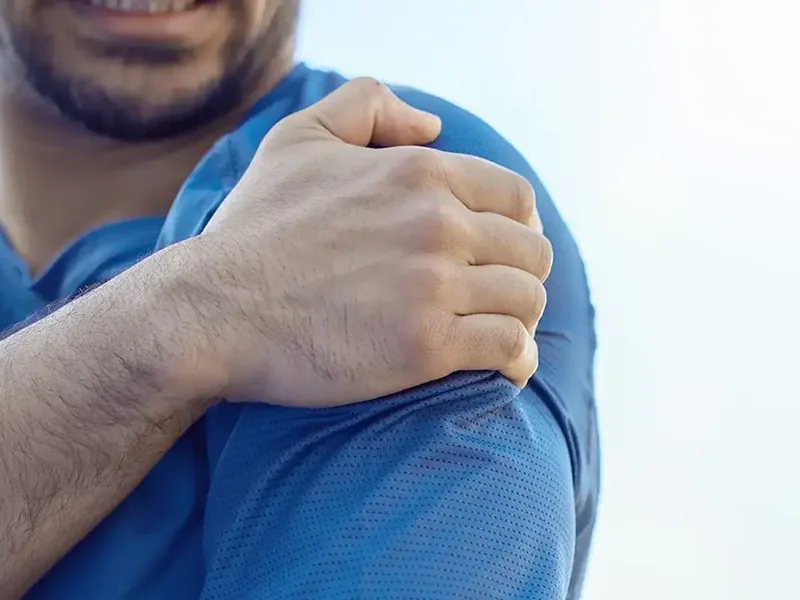
The shoulder decides how much load reaches your elbow and wrist. When it is weak or stiff, the forearm pays for it.
Arthritis
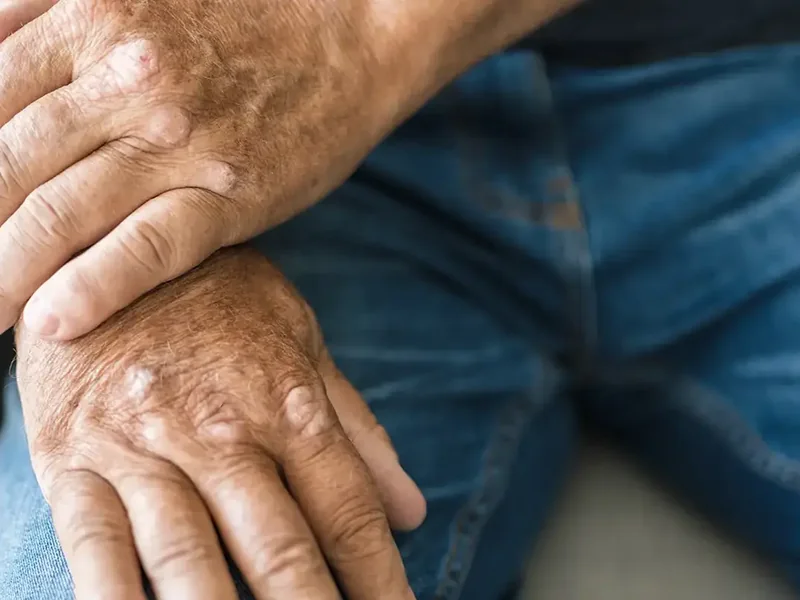
Thumb, finger and wrist arthritis is one of the most common reasons grip fades. Movement is what keeps those joints working.
Sports Injuries
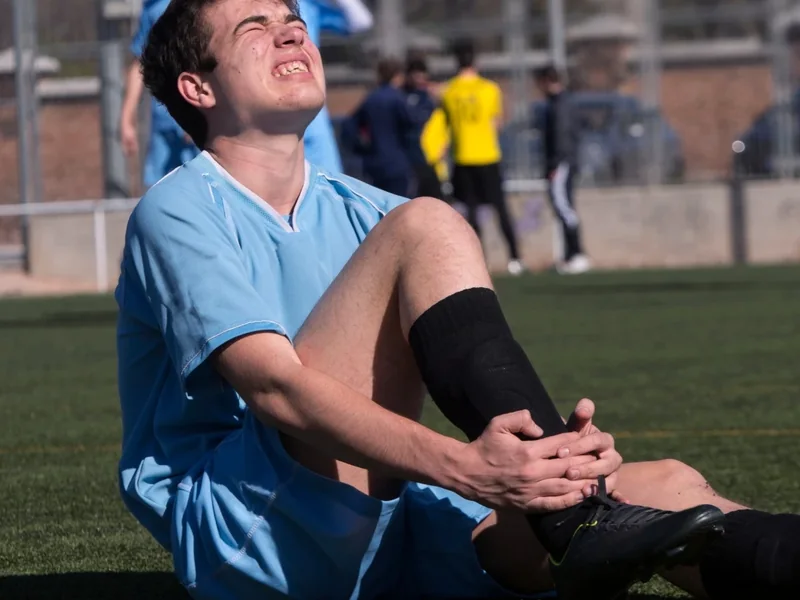
Racquet sports, climbing and throwing load the elbow and wrist hardest. We rehab the injury and the mechanics behind it.