Massage Therapy in San Antonio
You have carried this in your neck and shoulders so long it reads as normal. It is not normal, and managing it on your own is not the only option left.
What Is Massage Therapy?
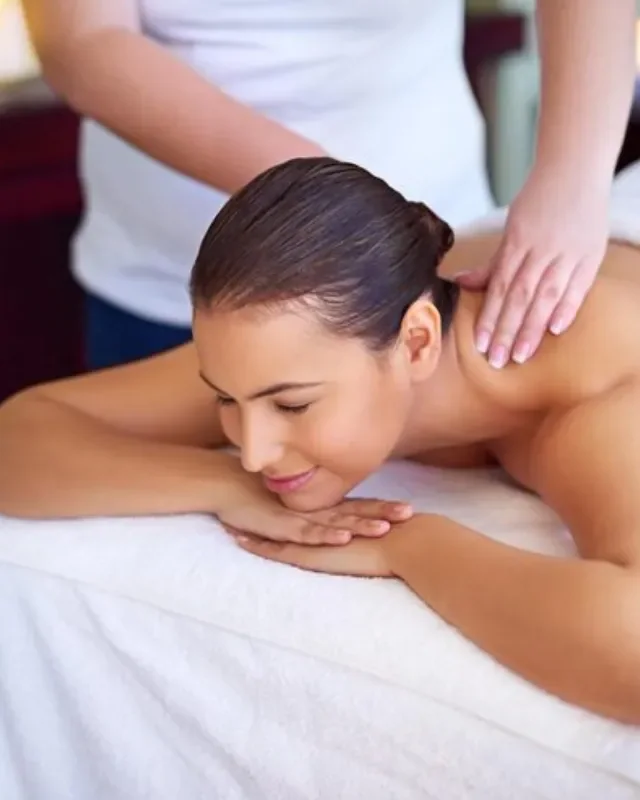
Massage therapy here is clinical work, not an hour of ambient music. It starts from a question: which tissue is actually driving your symptoms, and what is asking it to stay tight? Your therapist takes a history, looks at how you move and where the load is landing, then chooses technique to match. Deep tissue work for muscle that has been guarding for months. Myofascial release for the sheet of connective tissue that has stopped gliding over what sits beneath it. Trigger point technique for the specific knot that refers pain somewhere else entirely, which is why the sore shoulder blade is often not the source of the shoulder blade pain. Pressure is a decision, not a default, and it changes across a single session as tissue responds. The immediate effects are the ones you feel: muscle tension drops, circulation improves through the treated area, and range of motion opens up. The effect that lasts is what you do with that window. Massage buys movement that was not available an hour earlier, and the rest of the visit spends it.
This is why massage sits inside a plan rather than beside one. Relaxation is genuinely part of the value, and lowering a nervous system that has been on alert for months changes how much pain you feel from the same tissue. But if nothing changes the load that built the tension, it rebuilds. Visits run 30 to 60 minutes, one on one, with the same therapist each time. Texas direct access lets you begin up to 30 days of physical therapy without a physician referral, and we verify your benefits before your first visit.
Who it's for.
Massage does its best work where muscle tension is doing real damage to your day: to your sleep, to your range, to how much you are willing to take on.
Neck, shoulder and jaw tension that will not let go
Long days at a screen, a commute, and a stress level that has not dropped in months. The tension has become tension headaches, a jaw you clench at night, and a neck that only turns comfortably one way. Deep tissue and trigger point work through the upper trapezius, the suboccipitals and the jaw musculature takes the guarding down, and the postural and breathing work that follows changes what is asking those muscles to hold on in the first place.
Coming back from an injury or an operation
The tissue around the injured area has been protecting it, and now the guarding is its own problem: you are stiff in places nowhere near the original site, and stretching alone is not reaching it. Massage brings circulation into tissue that has been quiet, softens the guarding around the joint, and makes the range work that follows far more productive. The aim is a body that tolerates loading again rather than one that braces against it.
Persistent low back and hip tightness
You have stopped bending down for things you have dropped. Sitting hurts, standing hurts differently, and the tightness across the low back and hips has slowly narrowed what you attempt in a day. Massage releases the guarding in the glutes, hip flexors and lumbar musculature that keeps pulling that area back to square one, and the strengthening it makes room for is what actually keeps it there.
What to expect in a session.
A clinical massage session has a shape to it. You are asked questions, you get a say in the pressure, and the treatment goes where the assessment sends it.
History and hands-on assessment
Your therapist asks about your medical history, your medications, your sleep and what a normal day physically asks of you, then tests range and palpates the areas involved. Referral patterns get mapped here, which is why the spot that hurts is not always the spot that gets treated. You will know the plan for the session before it starts.
Treatment matched to the tissue
You are draped and positioned comfortably, and only the area being worked is uncovered. Technique is chosen to fit: broader, slower strokes for guarded muscle, sustained pressure for a fascial restriction, precise contact for a trigger point. Speak up about pressure at any point. Productive discomfort is normal, but bracing against the pressure works against the treatment.
Movement and aftercare
The session finishes with active movement through the range you have just been given, so your nervous system registers it as usable rather than temporary. You leave with a short home programme, usually a stretch and something to strengthen, and clear guidance on what to do for the rest of the day.
Mild soreness for a day, similar to the feeling after a workout, is common and settles on its own. Drink water, skip strenuous training and hot baths or saunas for the rest of the day, and go easy on alcohol and caffeine that evening. Tell your therapist beforehand if you take blood thinners, have had recent surgery, have a skin condition, a clotting disorder or osteoporosis, or if you are pregnant, so technique and pressure can be adjusted.
I am very pleased with the results of my rehabilitation at Liberty, I walked in barely able to hold my camera equipment without pain, and now I am without the pain.
Where to go next.
Manual Therapy
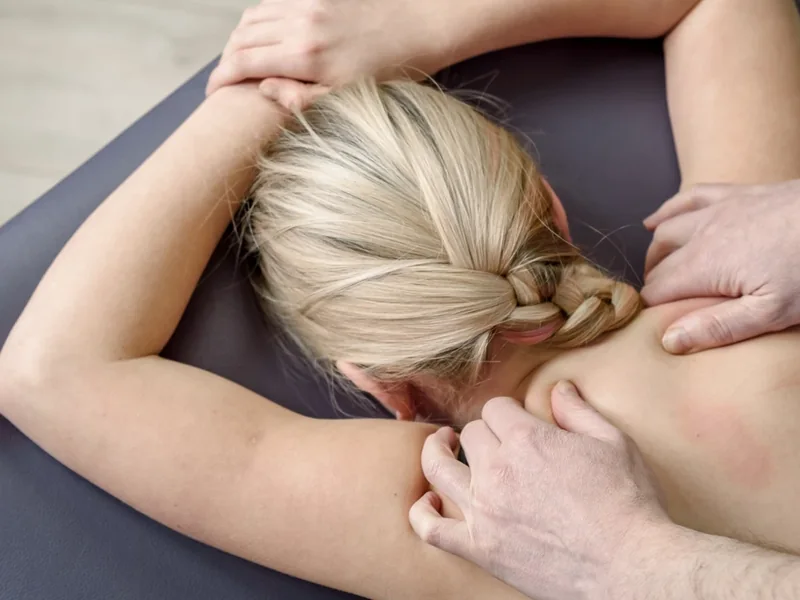
Joint mobilisation and hands-on technique for the stiffness that sits in the joint rather than the muscle around it.
Cupping
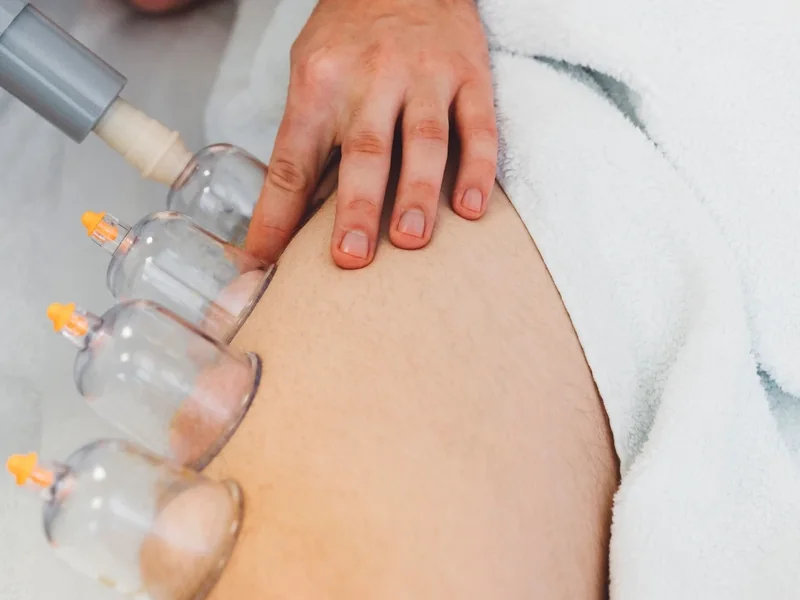
Suction that lifts tissue instead of compressing it, for restriction that massage pressure has not been able to shift.
Back Pain & Sciatica
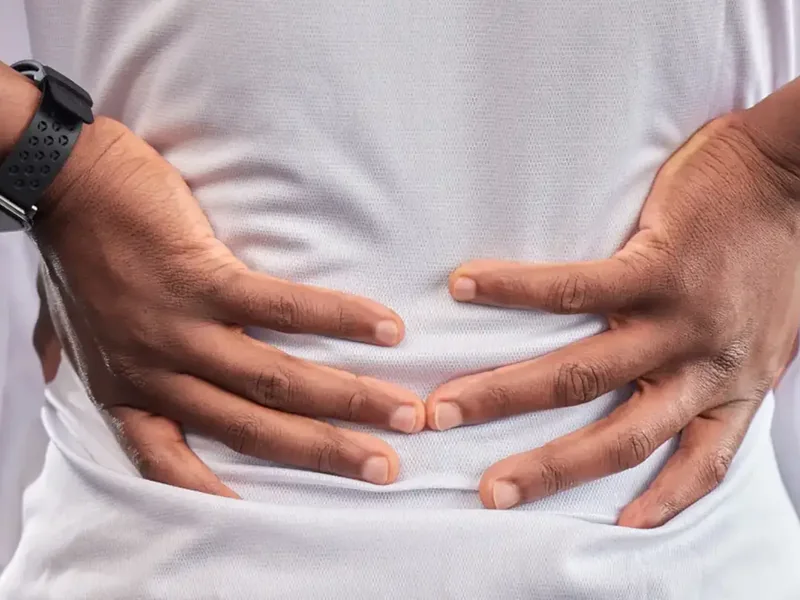
The most common reason people find us, and the area where muscle guarding does the most quiet harm.