Hip Replacement Surgery in San Antonio
The surgery is behind you, but the leg still does not feel like yours. You are counting stairs and guarding every step, and rehabilitation is what turns a new joint into a hip you actually trust.
What happens after hip replacement surgery?
Surgery replaces the joint. It does not replace the muscle, the balance, or the walking pattern you lost in the months before the operation. Those you rebuild. What you do in the weeks after your hip replacement decides how the new joint feels a year from now, and most of that work happens outside the operating room.

By the time most people reach a hip replacement, they have spent months or years limping and unloading that side. The gluteal muscles that hold your pelvis level go quiet, and the quadriceps follow. The operation removes the pain source, but it does not switch those muscles back on. That is why so many people still limp weeks after they have been cleared to walk. Rebuilding the hip abductors and extensors is the single biggest driver of how the new joint ends up feeling.
Tissue that has been cut, retracted, and stitched lays down scar as it heals. Left alone, that scar shortens and grips, and the hip quietly loses the last degrees of flexion and rotation you need to put on a shoe, get into a car, or sit through a meal without shifting. Early, guided motion keeps the healing tissue mobile without stressing the repair. Hands-on work paired with specific range of motion drills protects the movement you will want back.
You did not start limping the day of surgery. You limped for a long time before it, and your nervous system saved that pattern: shorter step on the surgical side, weight shifted onto the good leg, trunk leaning to swing the hip through. None of that corrects itself just because the pain is gone. Gait retraining is deliberate work on step length, stance time, and hip extension at push off. Without it, the limp outlives the joint that caused it.
A new hip changes the information your body uses to stay upright. Joint position sense is disrupted, the muscles that normally catch you are weaker, and fatigue plus pain medication blunt your reactions. A fall is the complication most likely to undo a good surgery. We test single leg stance, stepping reactions, and turning, then train them deliberately, so your balance recovers alongside your strength instead of lagging months behind it.
Many people leave the hospital with a list of positions to avoid and no clear sense of when those restrictions lift. So they stop bending, stop reaching, and stop trusting the leg. Fear does its own damage, because less movement means more stiffness and more weakness. Your therapist works from what your surgical approach actually allows, teaches you how to dress, bathe, and rise from a low seat safely, and hands the movement back to you in a controlled order.
Some people arrive years after their replacement, still stiff, still limping, convinced this is simply as good as it gets. Others stop the moment the pain fades and never rebuild the strength underneath it. Both are fixable. Muscle responds to progressive loading at any point after surgery, and a hip that was never fully rehabilitated can still be rehabilitated now. Texas direct access lets you begin physical therapy for up to 30 days without a physician referral, so nothing has to wait on another visit to your surgeon.
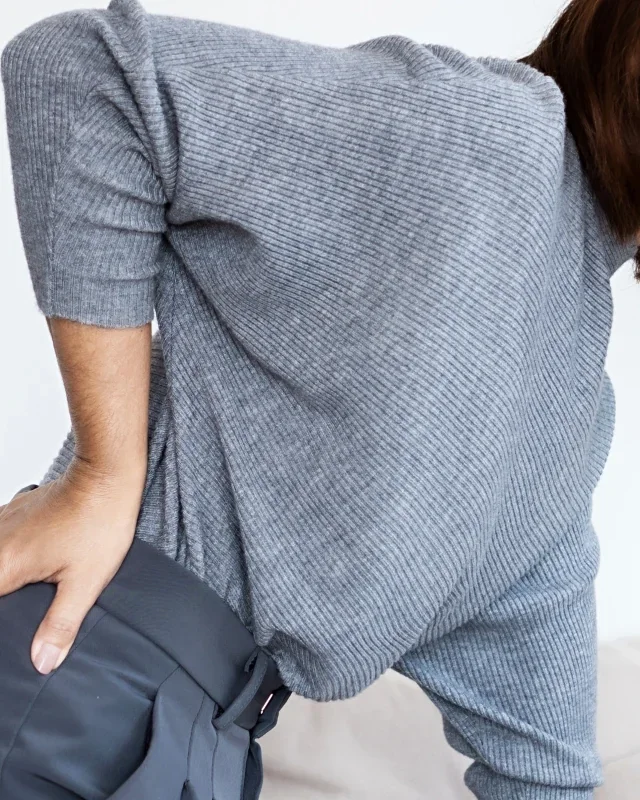
How physical therapy in San Antonio helps.
Recovery after a hip replacement is not a matter of waiting for time to pass. It is a sequence. We calm the surgical hip and protect the range of motion that stiffness is quietly taking. We load the gluteal, quadriceps, and trunk muscles that stopped working long before your operation. Then we put that strength back into the things that actually count: walking without a limp, climbing stairs one foot over the other, standing up from a low chair without planning it first. Sessions run 30 to 60 minutes, one on one with the same licensed therapist each visit, so nobody has to relearn your case. Most people notice change inside the first two to three weeks.
What to expect from your recovery.
Evaluation and precautions
We measure hip range of motion, test the strength of the muscles around the joint, and watch you walk. We confirm what your surgical approach allows and what it still restricts. You leave the first visit knowing which movements are safe to push, which ones wait, and what the plan looks like week by week rather than guessing between appointments.
Motion, strength, and gait retraining
Hands-on work keeps healing tissue mobile while we load the hip abductors, extensors, and quadriceps at a rate you can tolerate. As strength returns we rebuild the walking pattern itself: even step length, full hip extension, real weight through the surgical leg. Stairs, curbs, and rising from a low seat get trained as specific skills.
Confidence, balance, and life after therapy
This is the phase people skip. We train balance, turning, and stepping reactions so a stumble does not become a fall, then test the tasks you actually care about: your driveway, your garden, your job, the grandchild who wants picking up. You finish with a home program written for your hip and the knowledge to keep what you built.
This has been the best PT/rehab I have ever gone through! Mary Lou and Alyssa helped me not only heal and strengthen my leg after injury, they helped me with foot and hip issues as well.
Pain rarely travels alone.
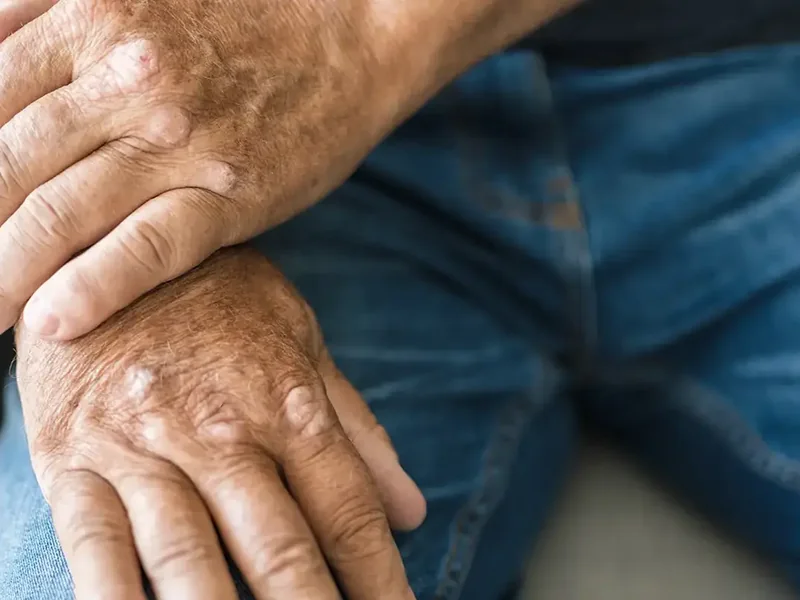
Arthritis
The joint wear that led to your replacement often shows up elsewhere too. We restore mechanics and build strength around it.
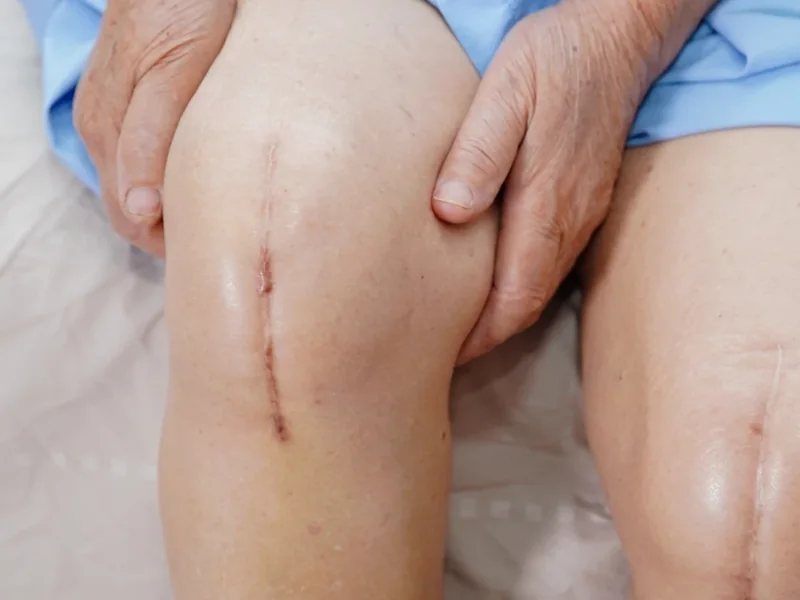
Knee Replacement Surgery
Many people face both joints in the same decade. The rehab that protects a new knee follows the same logic as a new hip.
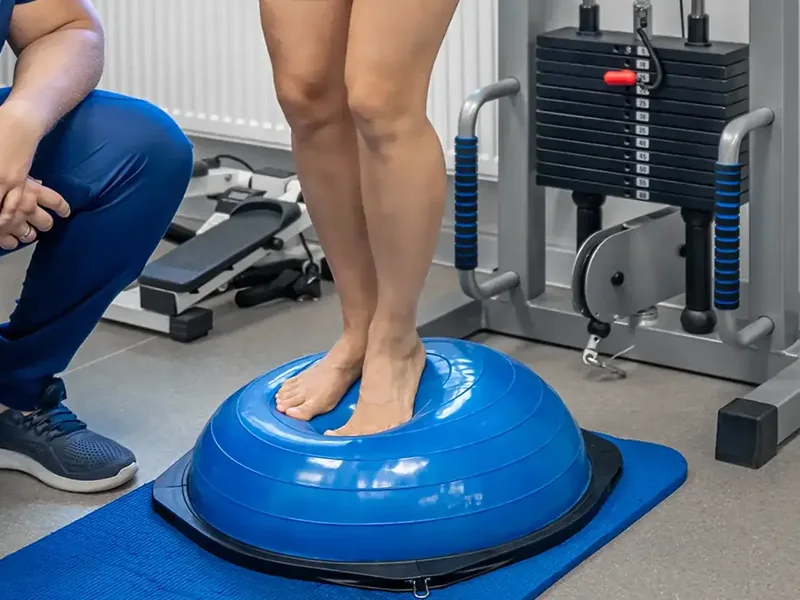
Balance & Gait Disorders
Unsteady walking and fall risk are treatable. We rebuild the system that keeps you upright.