Rotator Cuff Tears in San Antonio
It wakes you the moment you roll onto that side, and the top shelf has quietly become a two-handed job. You have been working around this shoulder for months, and working around it is what keeps it weak.
What causes rotator cuff tears?
The rotator cuff is the group of deep shoulder muscles whose tendons wrap the top of the arm bone and hold it centred while you move. Tear one and the joint loses its anchor. Some tears arrive in a single moment, a fall or a heavy catch. Most arrive slowly, as tendon that has been loaded harder than it has been allowed to recover finally gives way a few fibres at a time.
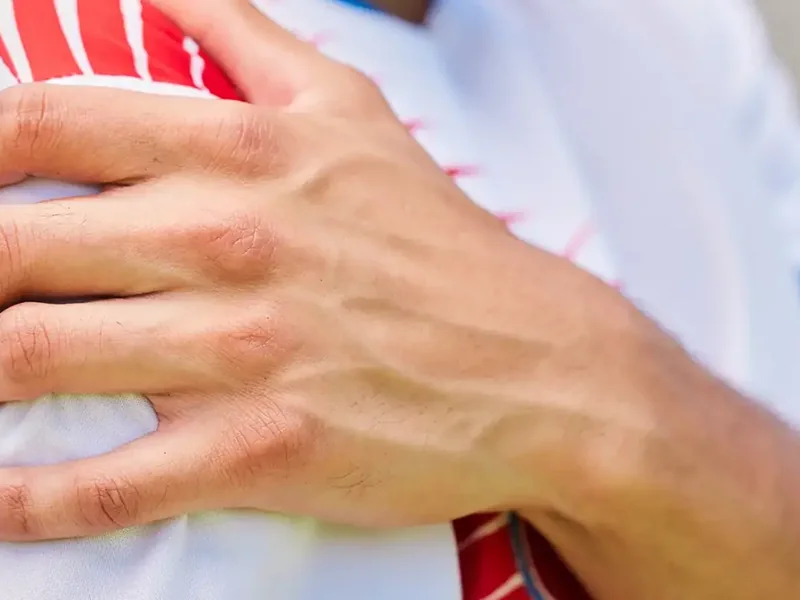
Most cuff tears are not accidents. Tendon that has been loaded more than it has been allowed to recover slowly changes its structure, loses tensile strength, and frays at the edges. That process runs for years and is often painless right up until something finally goes. It also explains why an ordinary movement can seem to cause a tear that was in fact decades in the making. Tendon responds better to graded loading than to rest.
A fall onto an outstretched arm, catching yourself hard on a rail, a heavy lift that slips, or a dislocation can tear cuff tendon in one moment. These tears announce themselves: sharp pain, immediate weakness, and an arm that will not lift out to the side. Whether or not surgery ends up being part of the plan, the muscles around that tendon need rebuilding either way, and starting early protects your range while the decision gets made.
Painting, framing, warehouse work, hairdressing, throwing, and swimming all load the cuff repeatedly in the position where it has the least room to work. Without recovery between exposures, small damage accumulates faster than the tendon repairs it. The answer is rarely to abandon the activity. It is to build enough strength and control in the cuff and shoulder blade that the same day of work costs the tendon less than it used to.
Your shoulder blade has to rotate and tilt out of the way as the arm travels overhead. When the muscles controlling it are weak or mistimed, the space above the cuff narrows and the tendon gets pinched and irritated on every repetition. Treating the cuff while ignoring the shoulder blade is why some shoulders never settle. Restoring that motion often takes pain down before a single pound of strength has been added.
Cuff tendon has a modest blood supply at the best of times, and that supply drops with age, with smoking, and with metabolic conditions such as diabetes. Less blood means slower repair, so damage a younger tendon would have quietly resolved accumulates instead. None of that is a reason to accept the shoulder as it is. It is a reason to load the tendon deliberately, because controlled loading is what stimulates tendon to remodel.
The most expensive thing you can do with a painful cuff is protect it and wait. A shoulder that stops moving stiffens, the cuff weakens further, and a manageable problem turns into a stiff, weak joint that is harder to rehabilitate and harder to operate on. Many partial tears respond well to structured therapy, and therapy before and after surgery matters when surgery is the right call. Texas direct access lets you start for up to 30 days without a physician referral.
How physical therapy in San Antonio helps.
We start by finding out what the shoulder can actually do: which movements hurt, which are weak, how the shoulder blade behaves under load, and whether stiffness or strength is the bigger limiter. Hands-on and soft tissue work bring pain and guarding down far enough that the joint will move. Then the real work starts, which is loading the cuff progressively in the ranges you can tolerate and rebuilding the shoulder blade control that gives the tendon room. We correct the posture and the specific task that keeps aggravating it, whether that is your job, your sport, or the side you sleep on. Sessions run 30 to 60 minutes, one on one with the same licensed therapist each visit, and most people notice change inside the first two to three weeks.
What to expect from your recovery.
Evaluation and a clear picture
We test cuff strength position by position, measure range of motion, watch how your shoulder blade moves, and check the neck and upper back, because both refer pain into the shoulder. You leave the first visit knowing which structures are irritated, what is stiff, what is weak, and which of those we are addressing first.
Calming the shoulder and restoring motion
Manual therapy, soft tissue treatment, and graded movement take pain and guarding down and get the joint moving again. Night pain usually eases early, which matters more than it sounds, because sleep is when tendon repairs. You get a short list of exercises to do daily rather than a long one you will quietly abandon.
Loading, control, and return to what you do
Tendon rebuilds under progressive load, so this phase gets harder on purpose. We strengthen the cuff through range, train the shoulder blade to move on time, and rehearse the demands you are actually returning to: overhead work, throwing, lifting, carrying. You finish with a home program that keeps the shoulder strong after therapy ends.
A big THANK YOU to Mary Lou Lugo and her team at Liberty Rehabilitation Specialists. In 2025 I had an injury that resulted in a full rotator cuff tear.
Pain rarely travels alone.
Arthritis
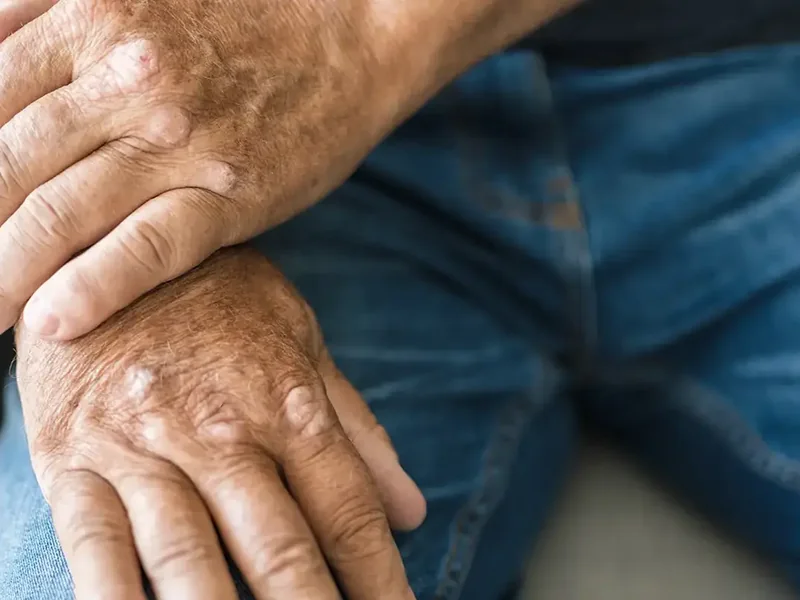
A shoulder guarded for months stiffens and aches on its own. We restore mechanics and build strength around it.
Knee Replacement Surgery
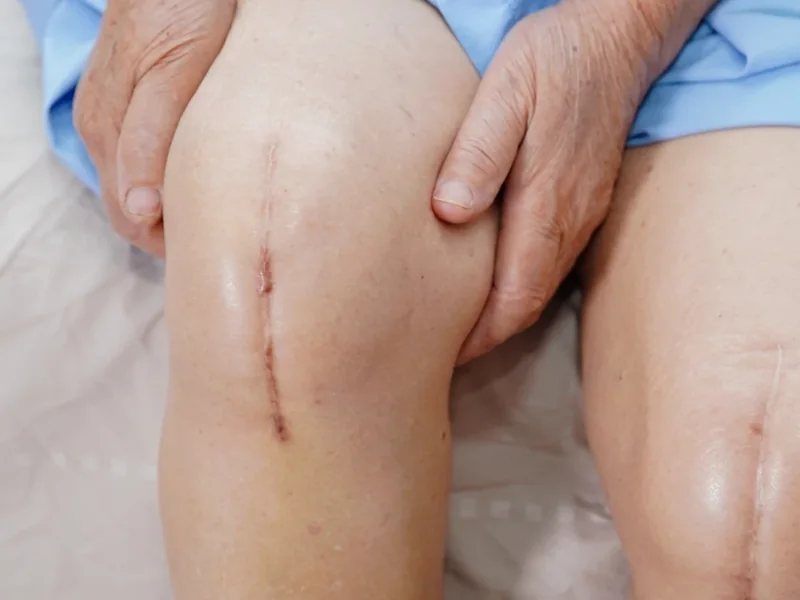
Rehab after joint surgery follows the same logic as tendon repair: protect early, load progressively, return to task.
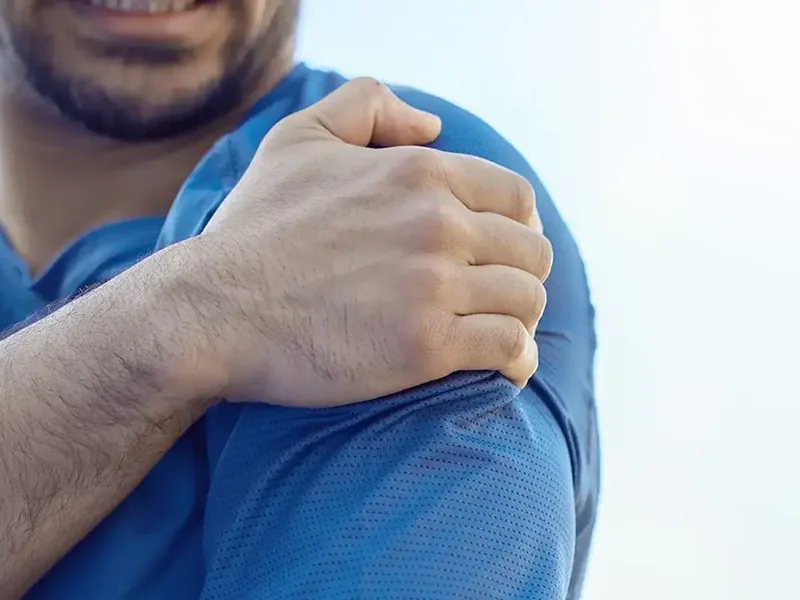
Shoulder Pain
Frozen shoulder, impingement and overhead pain: mobility first, then strength that holds.